Final Project

As far as we know, non-internet inventions of mankind, namely televisions and books, are not going to be completely replaced by internet-based inventions, such as streaming services like Netflix and e-books. However, internet-based inventions are certainly growing very rapidly and efficiently. Many people and companies have been recognizing this fact and starting to acknowledge that mankind is now in internet-based phase and not to go back. For a recognizable amount of time people used to spend on playing sports is replaced by times to play internet-based competitions, a brand-new term “e-sports” was coined and started to spread into people’s lives.

The word has not been used commonly until 2010s, but early forms of esports—video game competitions—were not widely appreciated by people. Even nowadays, there is an argument whether we should take esports as real “sports.” To some people, esports is considered nothing more than immature video game contest. However, to others, it is indeed considered as a form of sports, which can be enjoyed by multiple people, and create a significant amount of profits by carrying it out. Apparently, as personal computers and mobile devices are widespread to more population of the world, esports has accessibility to all those people. As people are exposed more to gaming industry and making more contact to it, people’s interest toward esports grew.

The industry of esports now has tens of millions of dollars invested by numerous companies; however, esports companies are not sure whether there is the best way to develop the industry. Some are trying to emulate what traditional sports established over time, owning teams which participate in several different video games as Real Madrid and Bayern Munich are doing in traditional sports. Others extend their business model and actively participate in content creating and selling apparels. (Smith) Since the birth of esports is not a long time ago, people could not determine which way works best yet.

When traditional sports’ profits are “based heavily on television broadcast revenue and box office receipts” (Smith), esports, which barely receives television broadcast coverage, could develop into an investable business item because of its universal accessibility by live streaming services, and because of the crowd’s shift from traditional media sources such as televisions to internet and social media. When there is an esports match, live streamers throughout streaming platforms such as YouTube and Twitch start co-streaming the match and comments what is going on at the match, attracting a very large number of viewers. People love to communicate with each other when watching a sports event. In case of traditional sports, people would gather to the stadium where the match is physically going on, or to the bars where they can grab a beer and talk to each other, cheer for their favorite team. Online streaming platforms are a dreams-come-true medium, an ideal setting for it can hold literally countless spectators and it is very easily accessible. People can decide to watch any esports match whenever they want, wherever they want— even when you’re in a public transportation on your way from or to work. The busy and complicated lifestyle that modern people developed left relatively less spot for traditional sports fans to enjoy their hobby, but esports fans can transcend all physical limitations, and this is definitely very attractive for many people. Therefore, even though there barely is a coverage by television broadcast, esports has been able to attract audiences and money to flourish.

Even though esports is a seemingly promising industry, the professionals are having hard time to remain in their positions of the industry. “Few careers burn as intensely—and as briefly—as that of an eSports professional. Players are generally in competition by their mid-to late teens, and most are retired by their mid-20s. It’s often due to burnout or fatigue: The intense lifestyle and constant hours of work it requires to be a professional gamer just aren’t realistic for decades-long spans” (Stanton). Professional gamers used to spend most of their time (12+ hours a day) practicing, which leaves barely enough time for very minimum essential human activities such as eating and sleeping. By their late mid-20s, professional gamers’ wrists, spines and necks would just fall apart, making them impossible to participate in such intensive schedule of practices, which can directly affect their performances in their leagues. In order to protect their players health, esports companies started to include physical activities to get their professional gamers in shape to lengthen their career lifespan longer and provide equipments designed for gamers. This problem may not easily be resolved for the companies must look for talent over physical fitness of a professional gamers. However, in order to grow as a decent career choice, the esports industry should find a better way to manage its dedicated professional players.

Mental health issues are also a factor that may hamper esports from flourishing. For a professional gamer, living in a team house with teammates is prevalent practice, brought over from South Korea. According to ESPN, during a competitive season, “players will get maybe one day off a week to themselves, with the rest littered with scrimmages and individual practice” (Erzberger). Many professional gamers are facing difficulties when they are forced to “keep up the good work” regardless of various situations they might be in. “Unlike traditional sports, one of the charms of esports is how close a fan can feel to their favorite player: conversing with them on Twitter, talking and donating money to them while they stream on Twitch, going to fan meetings after a regular-season game” (Erzberger). This is true indeed, but this just means there are fewer personal spaces for esports athletes. Also, the fact that most of the professional gamers are living in a “team house” where they spend practically every day doing everything with each other means the esports athletes are not having enough personal time desired for mental health. Despite esports athletes may not go through physical illnesses like traditional athletes, yet they are at risk of dangers of getting harm just as much as traditional athletes do.

Some scholars like T.L. Taylor tries to compare traditional sports and esports and analyzes how esports was able to grow since its recent birth. Taylor points out that esports still struggles with breaking out of whole “geek” reputation and “bad-influence-for-kid” reputations. She points out that esports “are often not seen as providing readily apparent connections to lifestyle brands” (Taylor 2015, 157), explaining why despite all the remarkable growth esports have not been successful attracting sponsors who are not technology-related. She also explains in detail what happens when esports promoting groups’ interests make cacophony with game developers over IP by thoroughly examining the situation of Korea E-Sports Association versus Blizzard (game producing company). She also examines how government and non-government organizations have been trying to promote esports as a form of legitimized sports by explaining the work of South Korean government, which was very passionate about growing esports industry since late 1990s. Taylor rightly points out transnational nature of esports, which foreshadows a promising future, as many of the authorities in the field of esports believe to be.

She also explains how broadcasting of esports events are different from broadcasting of traditional sports. She describes how esports was successfully and rapidly grew in past couple of decades. Unlike television-based traditional sports, esports uses personal computers and streaming services to grant access to a large crowd of people over the entire world through many digital broadcasting platforms, namely Twitch. She rightly points out that “sports are, as a number of scholars before me [Talyor] have noted, largely ‘media/sport’ now” (Taylor 2018, 137). As interest in the gaming industry and technology grow, she points out that most authorities in the field of esports are very confident that their business will soon start to flourish. She also introduces several business models that esports has: partnerships, media licensing, white label products (BlizzCon, for example), sponsorship, in-game contents, advertisements, pay per view, event revenue, and crowdfunding. Unlike traditional sports, esports uses games developed by companies who want credit for their intellectual properties. Thus, there have been problems between league hosts versus game developers—they must come to an agreement for esports to truly bloom.

Our lives have never been more convenient with the widely propagation of technology, especially computers. We wake up in the morning, look at our phones, acquire knowledge about weather, check our emails, and so on. Computer-based technology is omnipresent, and it has empowered us to be extremely efficient and all-knowing-at-will. Recent advancement in technology enabled people to participate in almost any kind of experience online, access to video clips, listen to music, resulting in an exponential growth in internet-based industry, namely esports. Even though there still are some downsides that need to be taken care of, the future of esports remains promising. For esports industry to bloom even more, well-organized programs with decent curriculum as traditional sports should be provided. Once esports gears up with better curriculum, they need to set decent business models. When the problems are fixed, the industry of esports would finally be recognized as a form of sports, and the world would witness the new generation of sports.
Creative Project Final Draft

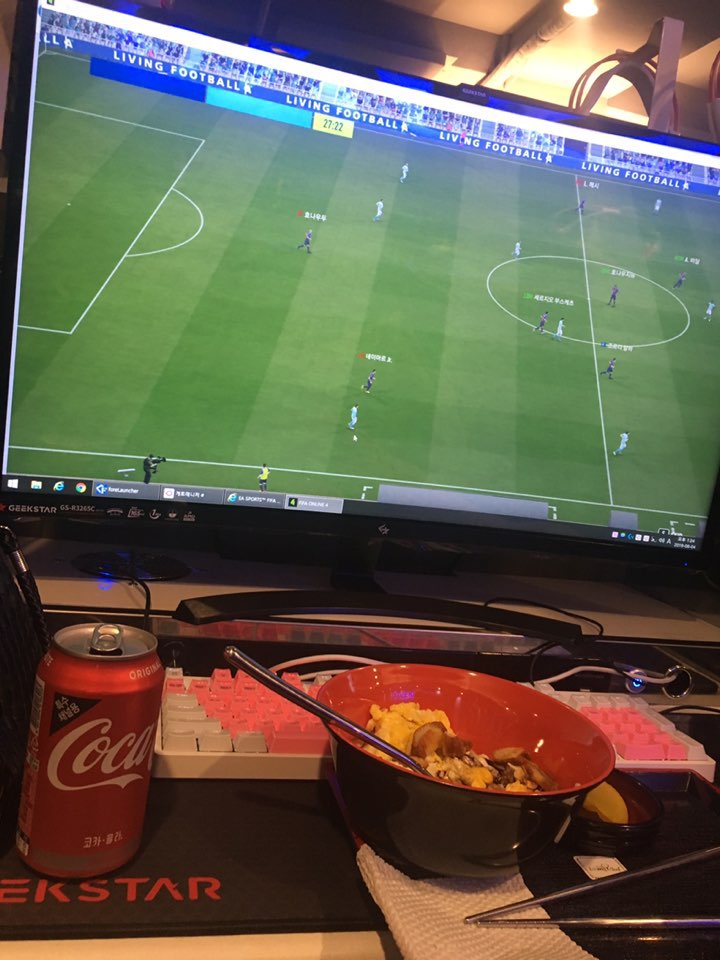
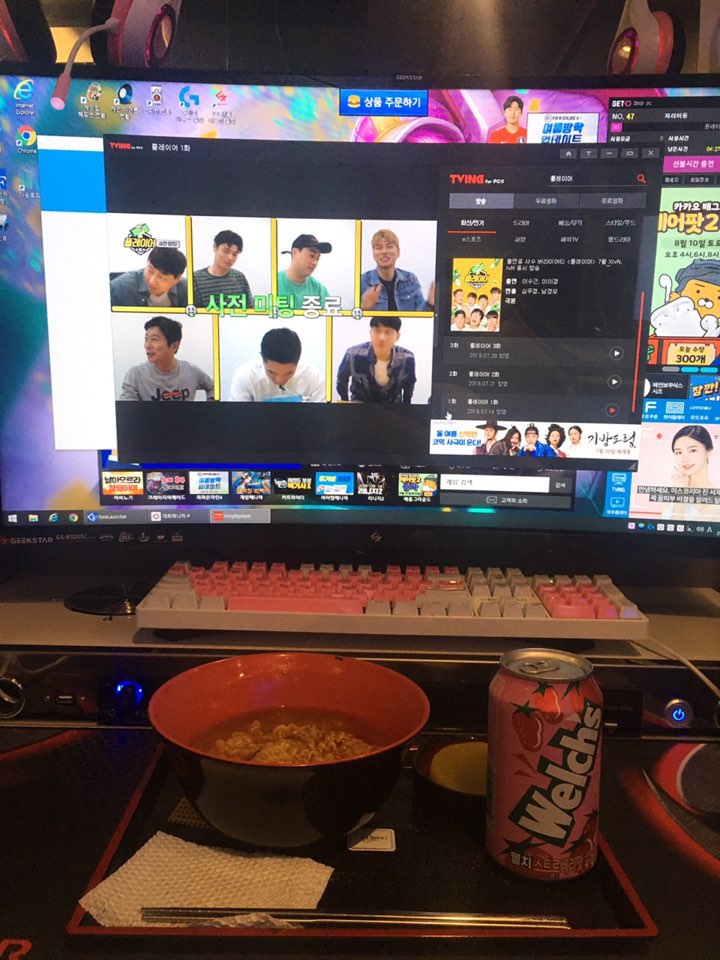
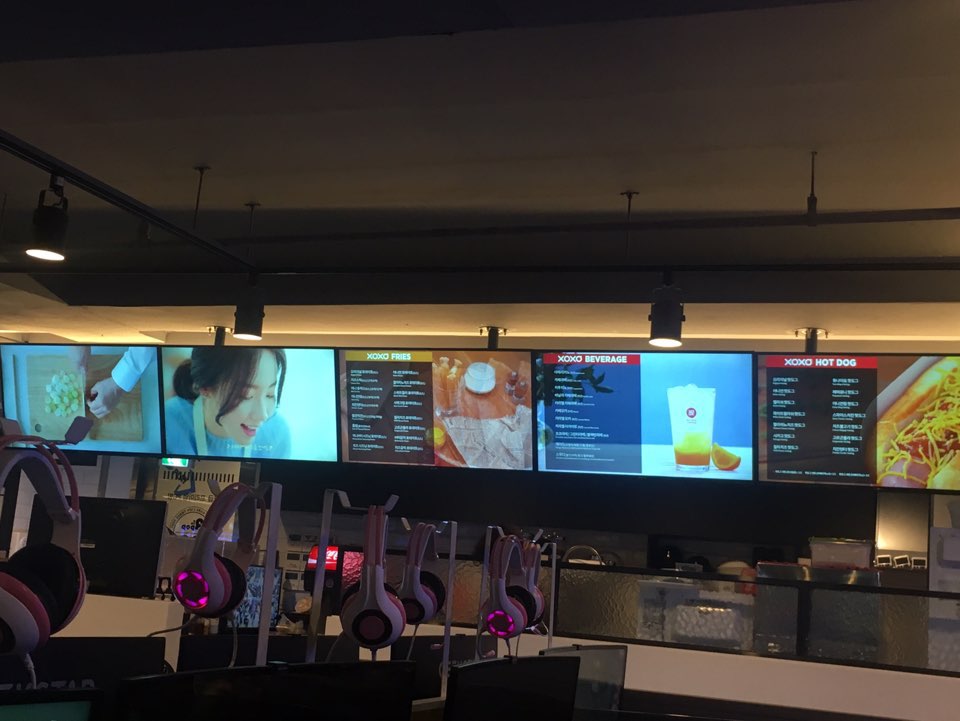
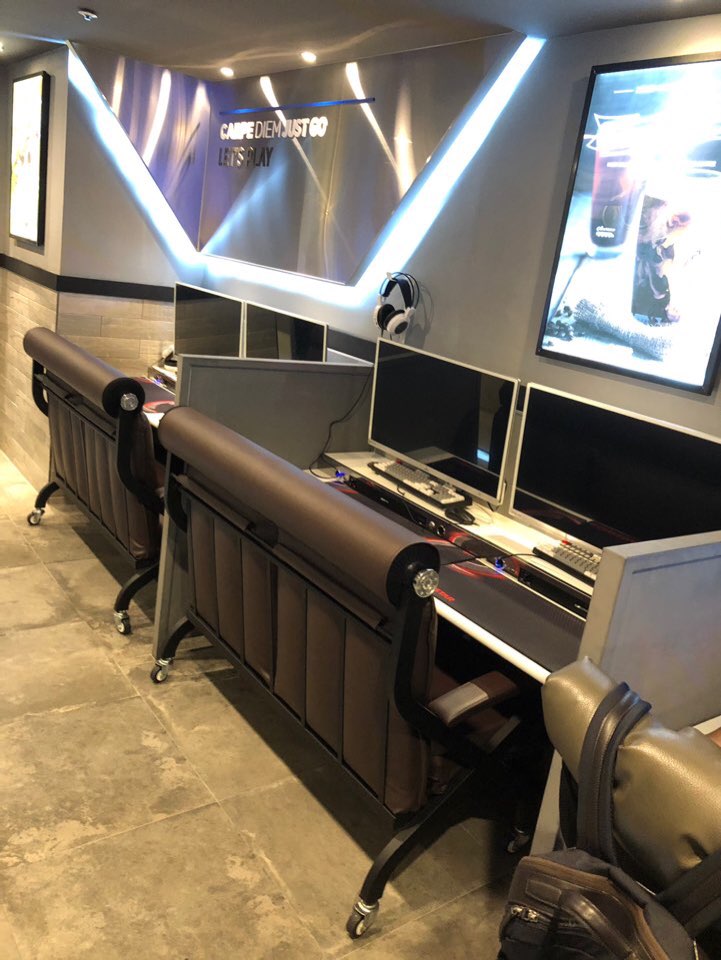
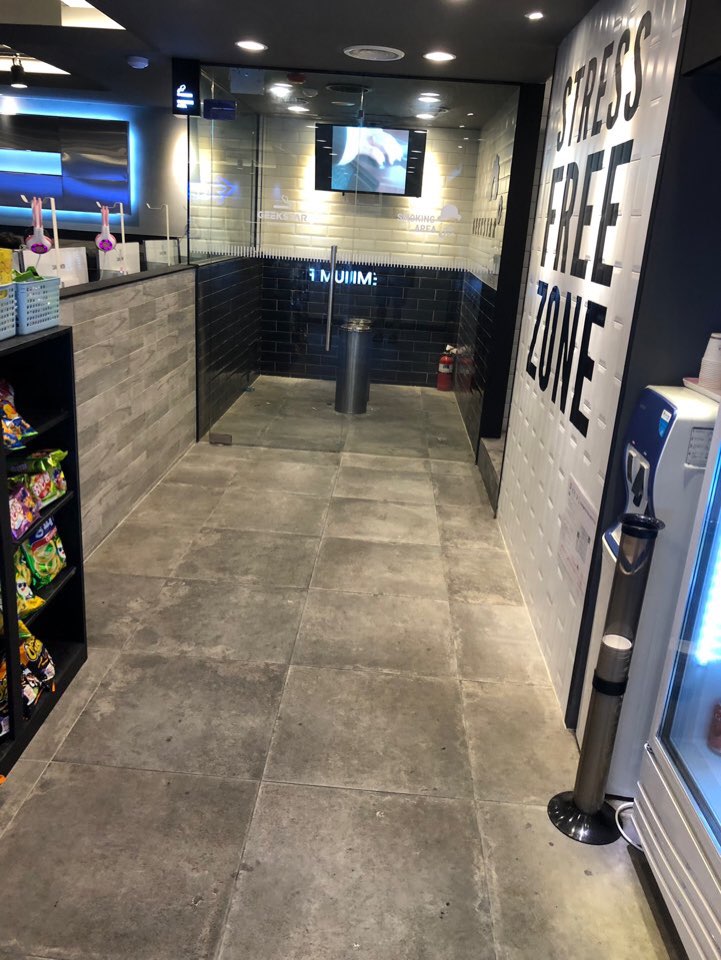
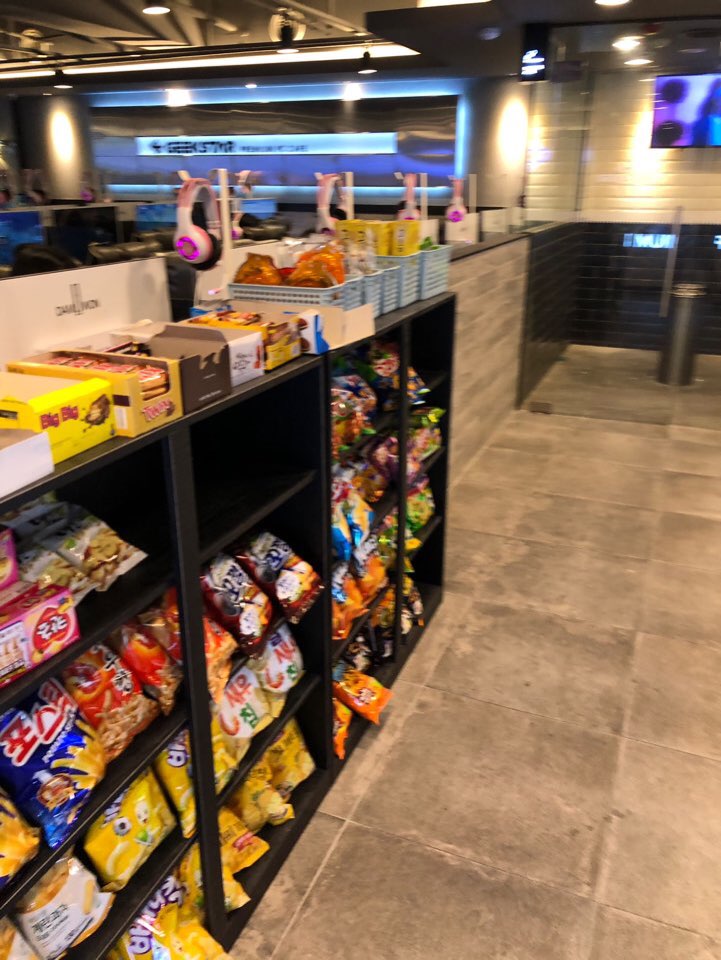
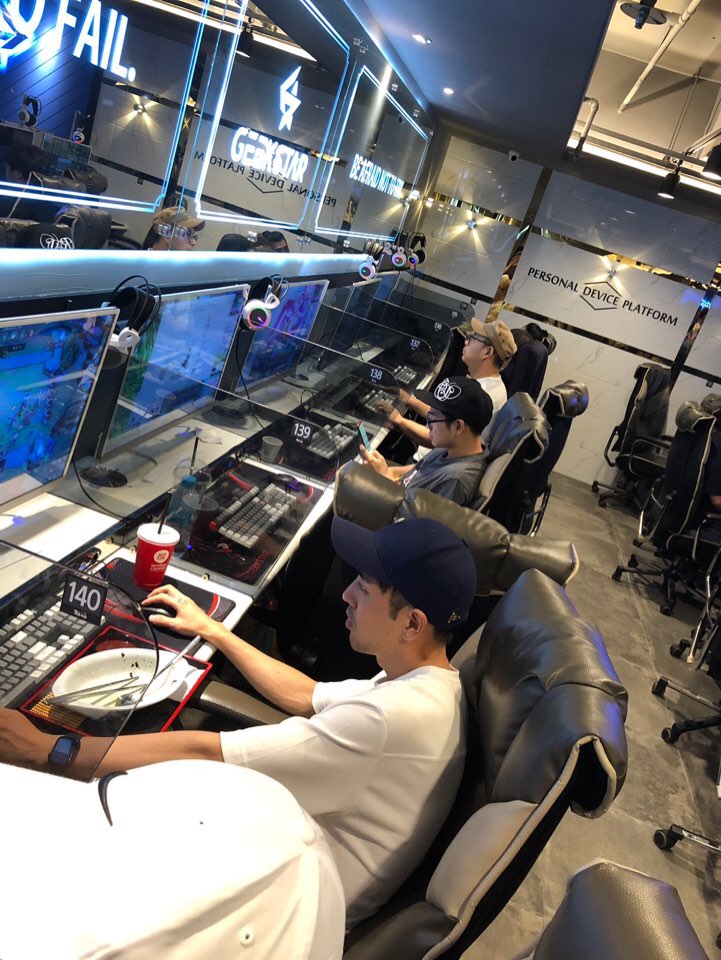
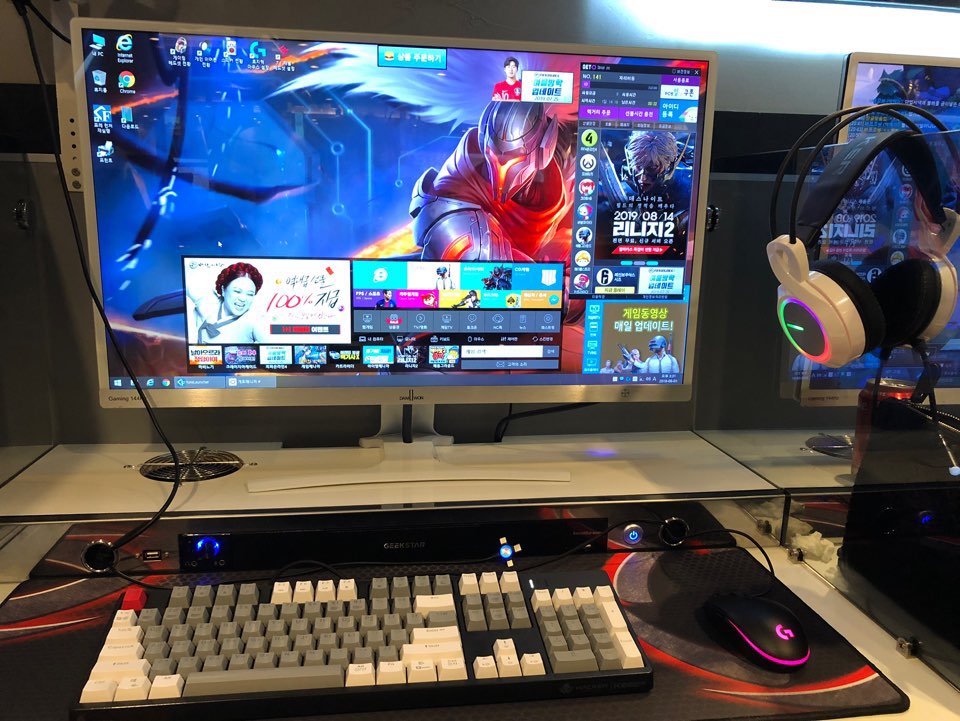
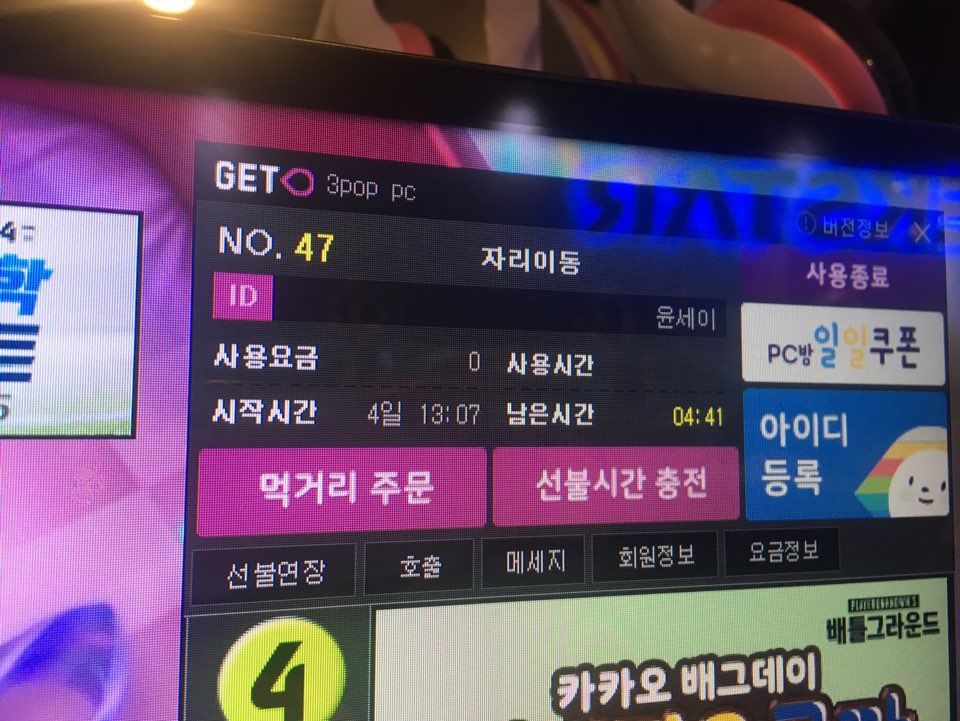
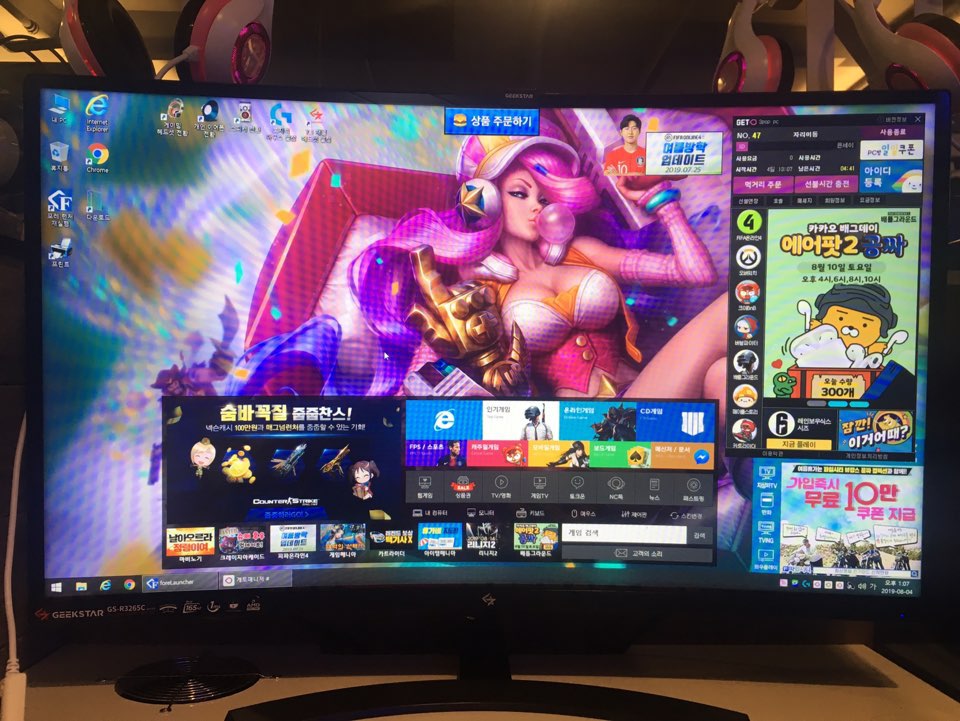
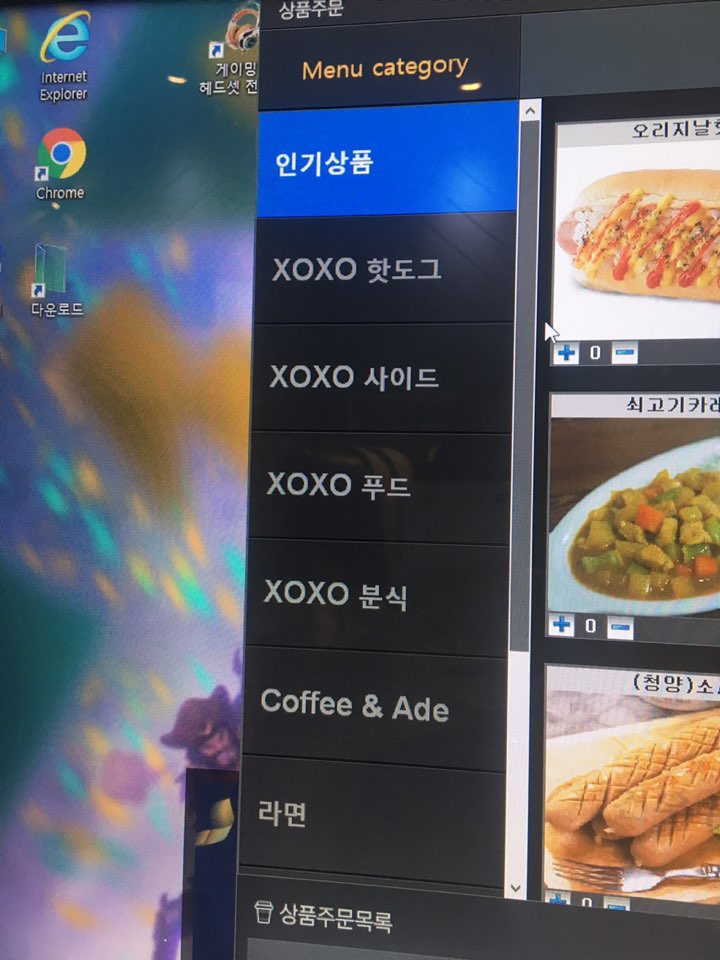
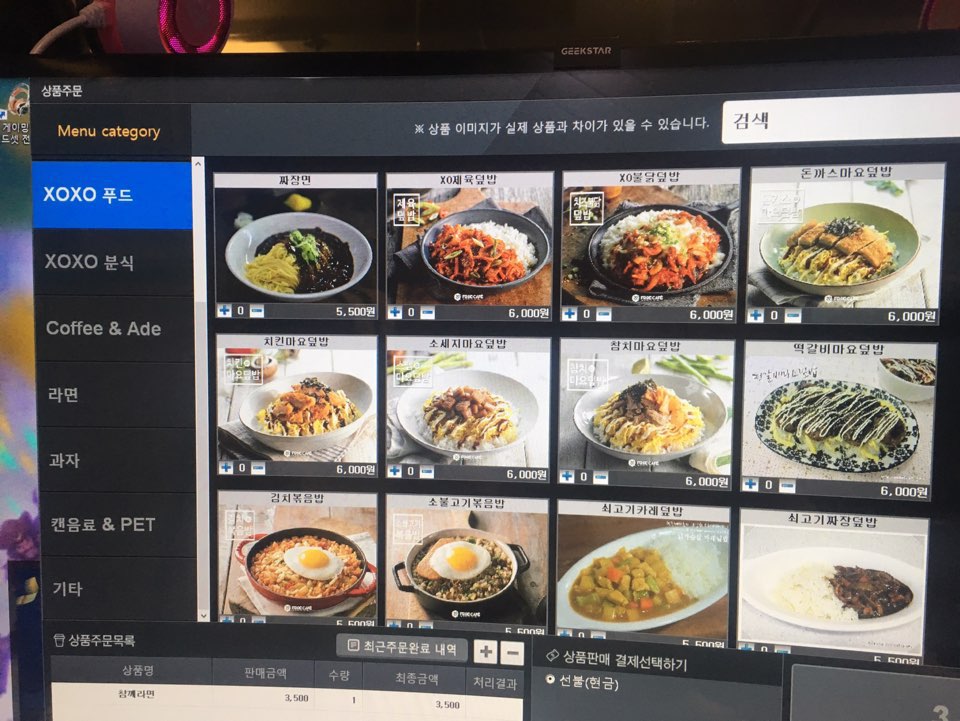
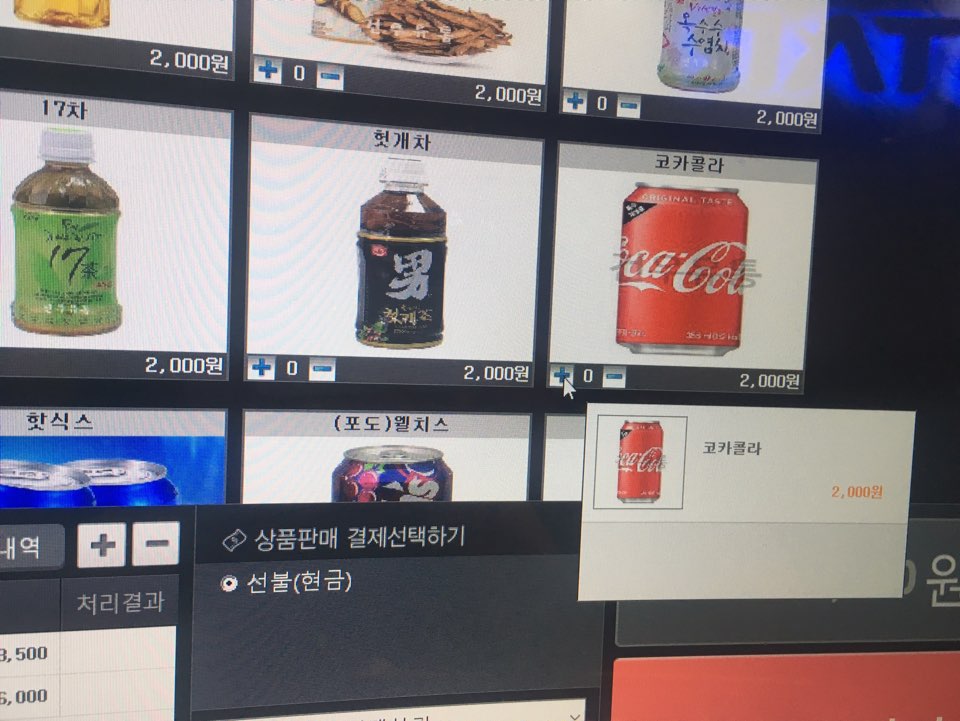
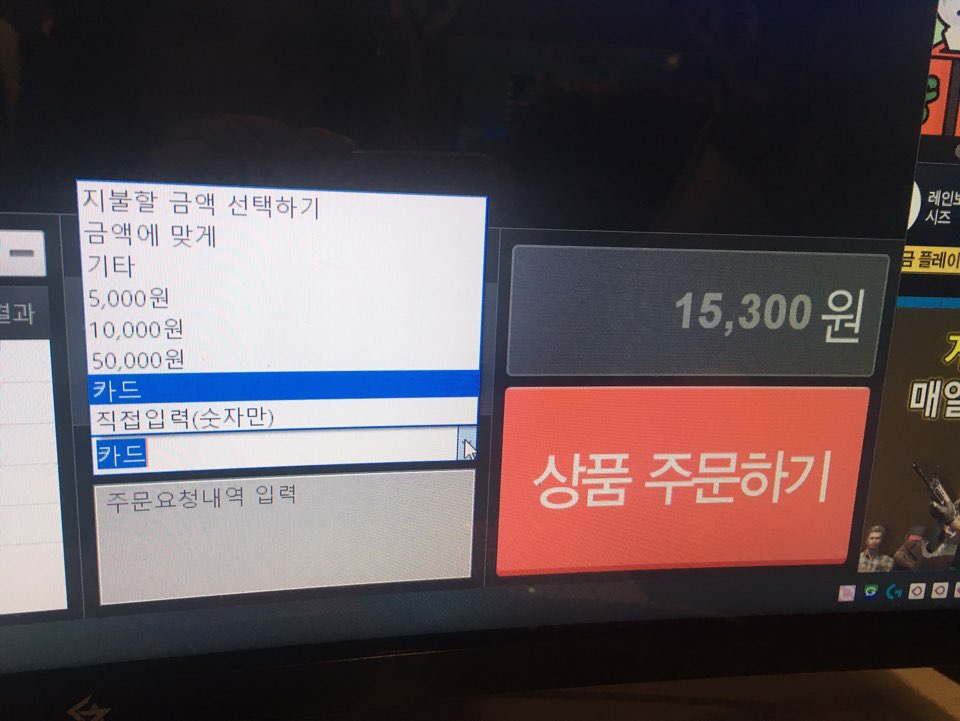
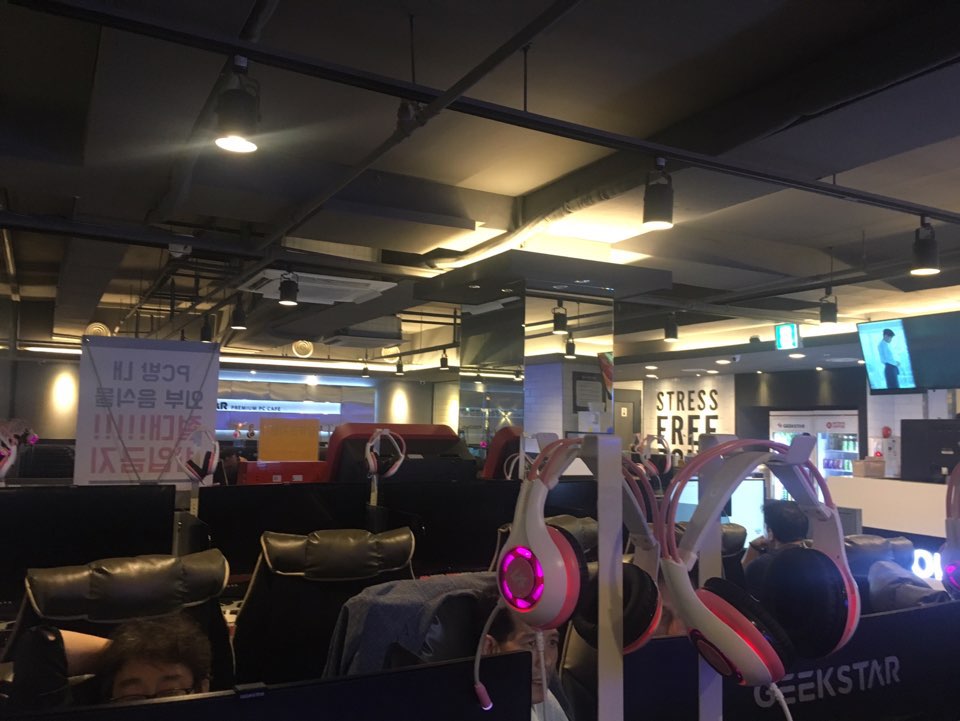
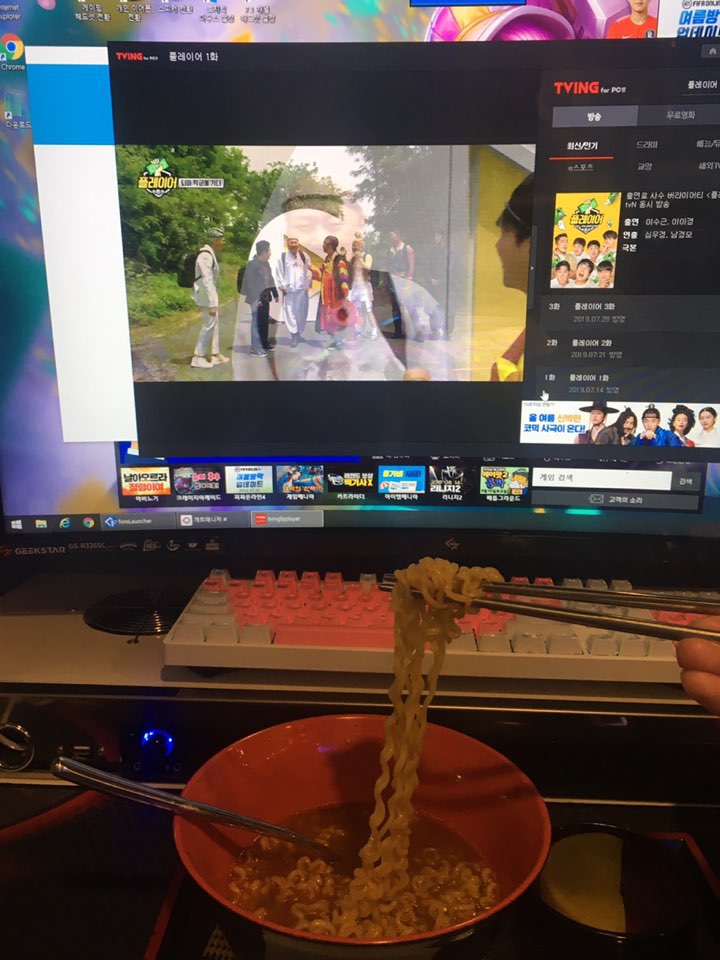
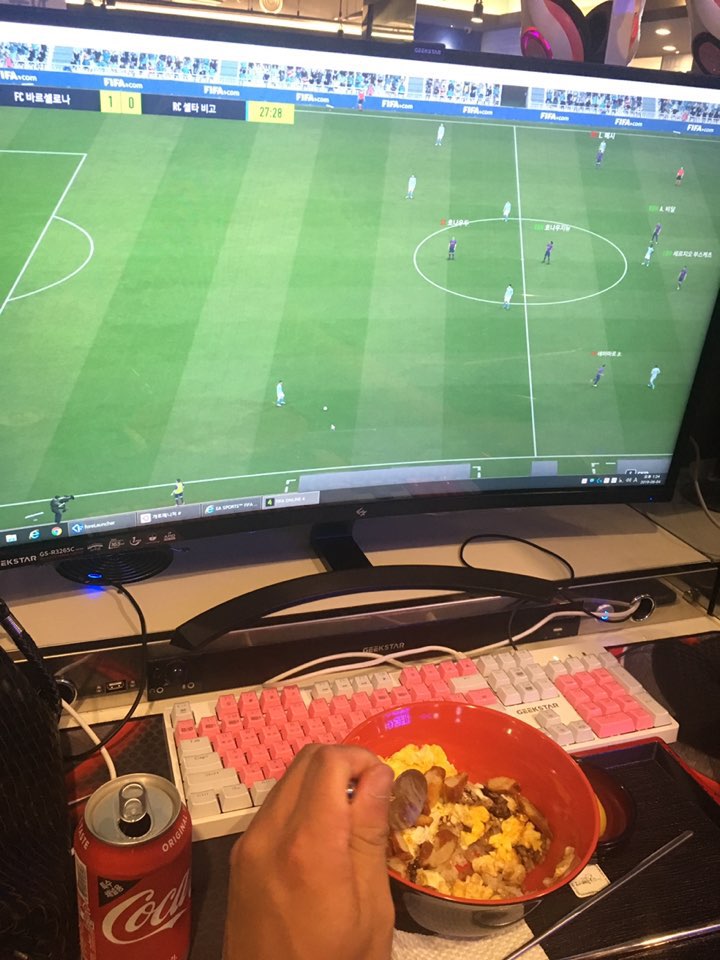
For my creative project, I created an online magazine. At first, I was trying to make a video with my voice over it. However, I came up with a magazine because I thought this is better way to deliver the information I’m trying to pass to the audience. My goal was to explain PC-bangs of South Korea, which I believe is a crucial factor that enabled South Korea to be a leading figure of the field of esports. PC bangs allowed people to be friendly to gaming and provided best environment for young gamers before they go professional (and also consider $1/hour fare- countless young students visit PC bangs to play games with friends after school).  PC bang (or PC Cafe) business was booming in late 90s, when Starcraft and Warcraft by Blizzard co. gained enormous popularity among young Korean population. Also stuffed with Korean online games such as Lineage by NC Soft and Kingdom of the Winds by Nexon, countless Koreans were attracted to gaming- even relatively elderly people, who are 45+ years old, were attracted to various online games including MMORPGs and online version of Hanafuda, a Japanese origin card game. Since the late 90s, gaming became a popular choice of hobbit to people of all ages in South Korea. Now, PC bangs are literally everywhere if you live in a city. In Seoul, the capital city of South Korea, there are a couple of PC bangs in every block, no matter where you go. Because of the omnipresence of PC bangs and their unique system of operating, major game distributing companies not only local but also international including Steam came up with business models designed just for PC bangs. Also, the abundance of PC bangs forced themselves to evolve into a better system, for they had to compete against each other all the time: for better equipment, for better environment, for better service, et cetera. Here I present you the culture of PC bang!

Link to the magazine

Final Website Self-Assessment

  • What changes did you make over the course of the semester, and why?
    • Throughout the semester, I’ve been trying to minimize the design of the website. I believe minimum design layers allow the readers to pay more attention to the content of my website.
  • How did your website end up versus how you first imagined it?
    • Even though I have been trying to keep things simple, I believe I could do better on having things both concise and neat had I had more skill-sets on creating a website.
  • Were you able to accomplish the goals for your website that you expressed at the beginning of the semester?
    • To a certain degree, I believe I was able to accomplish my goals, though not perfectly satisfied with my website.
  • Was making a website easier or harder than you expected?
    • It was harder than what I expected- I couldn’t believe how well my classmates did on their websites!
  • How will you use this website (or similar websites) in the future?
    • Frankly, I’m not quite sure. But if I’m to create a website, I’ll definitely use WordPress.
  • How did making this website affect how you understood our course material on digital media?
    • I realized how difficult to build a career around digital media. It has been definitely more difficult than what I expected. Yet, there are numerous bloggers and streamers who created very nice material on digital media. I admire their passion and skills.

Creative Project Rough Draft

I have been personally gathering photos of PC bang from my friends who are staying in Korea. I will have to organize the photos. Once I organize, I’m going to put them in a slideshow and try to put my voice over it, explaining about PC bangs and how they worked as a foundation for South Korea to assume a leading role in the fields of esports.

PC bang (or PC Cafe) business was booming in late 90s, when Starcraft and Warcraft by Blizzard co. gained enormous popularity among young Korean population. Also stuffed with Korean online games such as Lineage by NC Soft and Kingdom of the Winds by Nexon, countless Koreans were attracted to gaming- even relatively elderly people, who are 45+ years old, were attracted to various online games including MMORPGs and online version of Hanafuda, a Japanese origin card game. Since the late 90s, gaming became a popular choice of hobbit to people of all ages in South Korea. Now, PC bangs are literally everywhere if you live in a city. In Seoul, the capital city of South Korea, there are a couple of PC bangs in every block, no matter where you go.

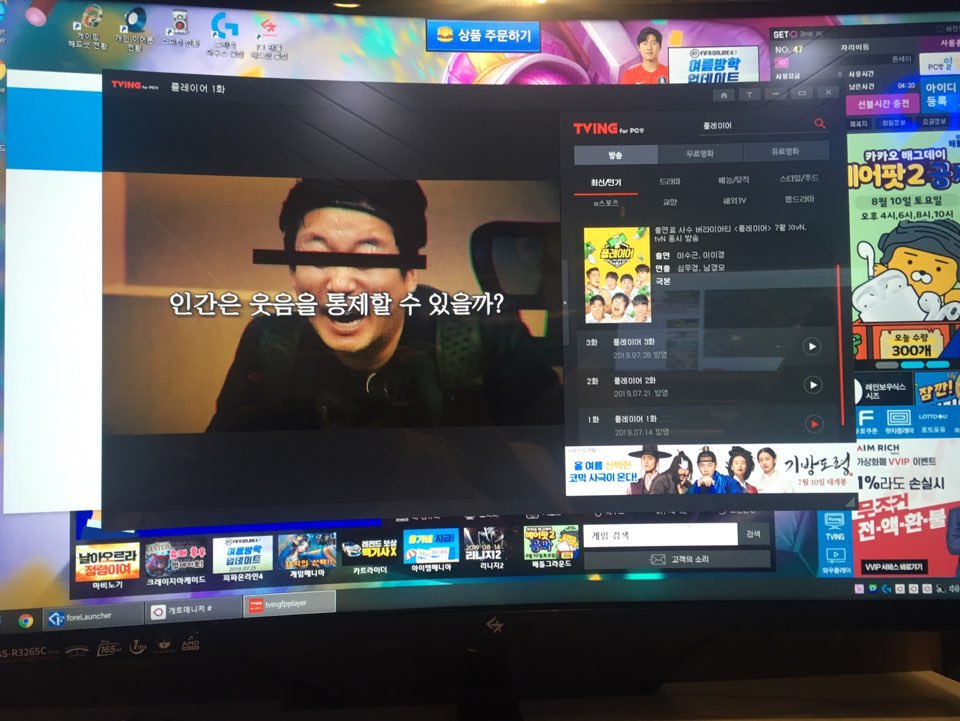
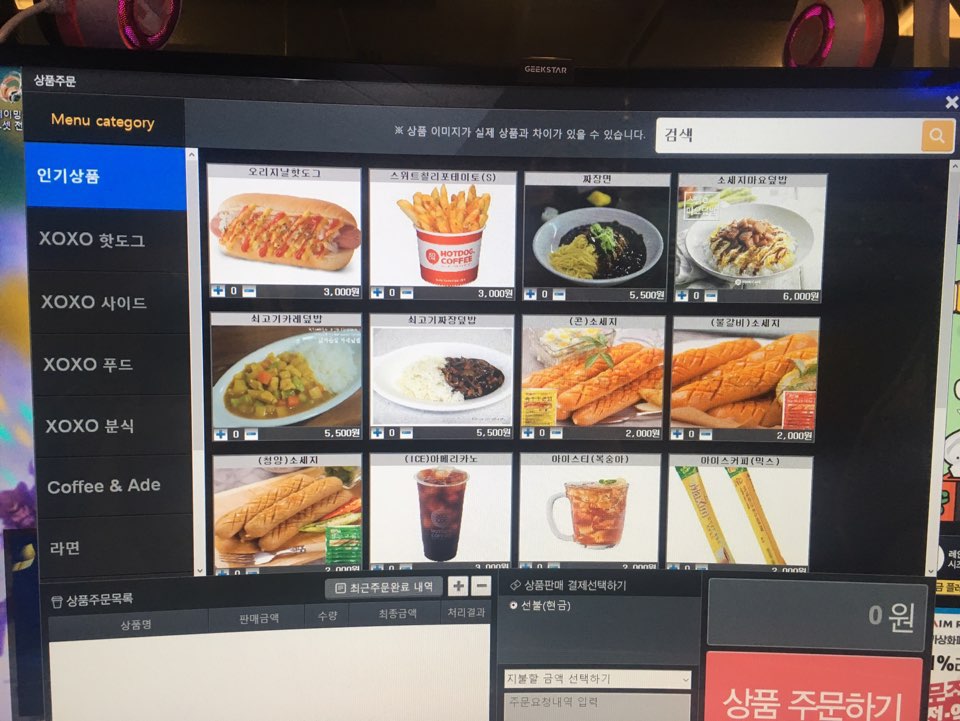
At first, PC bangs were dark and spooky, not a very attractive place to the most except for some “serious” adult gamers. However, as to attract more people, PC bangs started to grow. By 2013, all PC bangs in Korea are smoke-free and most of them remodeled themselves into a brighter-themed place. Most competitive PC bangs are equipped with 1 Gbps or 10 Gbps internet services (10 times and 100 times respectively faster than normal 100 Mbps internet). Considering major internet distributors of the United States, namely AT&T and Comcast, do not provide gigabyte speed internet many places and are not able to provide 10 gigabyte internet services yet, this is amazing. Backed up with high speed internet connection, PC bangs also equipped themselves with the latest and finest computers, allowing the guests to play whatever they want to play, even very high-end games. To attract people who are not a very big fan of playing games, PC bangs also offer favorite TV shows and movies. Considering the normal fare is $1 per hour, they are very successful in attracting people to spend some time. They also serve various types of foods (and drinks), most of them are cooked in a built-in kitchen inside PC bang by people who work there.

PC bangs allowed people to be friendly to gaming and provided best environment for young gamers before they go professional (and also consider $1/hour fare- countless young students visit PC bangs to play games with friends after school).  

FILM 208 Creative Project Proposal

I’m planning to look at how South Korea could be a leading figure in the industry of esports. South Korea, despite being a small country compared to its competitors (China, U.S.A, several European nations), has an excellent infrastructure that is easily accessible to everyone at a cheap fare, called PC-bang. PC-bangs can be found everywhere and they open 24/7. I would like to explain what they are, and explain how they are contributing to South Korea’s prevalence over esports. My creative project will include photo/video overviews of PC-bangs in South Korea. I’d also try to include an explanation about team-housing, a concept originated from professional Starcraft players in South Korea in late 1990s and early 2000s. I’m planning to collect photos until August 2nd. Then I will be spending the weekend to build up a rough draft for myself, then finish up my final draft before it’s due.

Final Research Paper- Industry of Esports as Sports (Rough Draft)

Our lives have never been more convenient with the widely propagation of technology, especially computers. We wake up in the morning, look at our phones, acquire knowledge about weather, check our emails, and so on. Computer-based technology is omnipresent, and it has empowered us to be extremely efficient and all-knowing-at-will. Yet, the society is leaving less and less time for people to be involved in some of the physical activities that takes up some time. For example, when there were no personal computers at every household, most children would go outside, meet their friends and have fun, maybe play sports together. In late 2010s, most children do not see a good reason to go outside and play basketball with their friends, for they have a variety of alternatives via internet in their homes. People can participate in almost any kind of experience online, access to video clips, listen to music that they want to watch or listen. When bored and not sure what exactly you want to do, you can find thousands of people who are streaming something around the world at any time or in any place.

As far as we know, non-internet inventions of mankind, namely televisions and books, are not going to be completely replaced by internet-based inventions, such as streaming services like Netflix and e-books. However, internet-based inventions are certainly growing very rapidly and efficiently. Many people and companies have been recognizing this fact and starting to acknowledge that mankind is now in internet-based phase and not to go back. For a recognizable amount of time people used to spend on playing sports is replaced by times to play internet-based competitions, a brand-new term “e-sports” was coined and started to spread into people’s lives.

The word has not been used commonly until 2010s, but early forms of esports—video game competitions—were not widely appreciated by people. Even nowadays, there is an argument whether we should take esports as real “sports.” To some people, esports is considered nothing more than immature video game contest. However, to others, it is indeed considered as a form of sports, which can be enjoyed by multiple people, and create a significant amount of profits by carrying it out. Apparently, as personal computers and mobile devices are widespread to more population of the world, esports has accessibility to all those people. As people are exposed more to gaming industry and making more contact to it, people’s interest toward esports grew.

Esports’ promising future

  • Smith, Noah.
    • Traditional sports’ profits are “based heavily on television broadcast revenue and box office receipts,” whereas esports’ fuel depend heavily on sponsors, profits from content creation and apparel. Authorities in the field of esports say that because esports is very new-born thing with a short history, many steps they are taking are now setting precedents for future. They also vow that they will be launching well-organized programs with decent curriculum as traditional sports do.
  • Taylor 2015
    • Esports still struggles with breaking out of whole “geek” reputation and “bad-influence-for-kid” reputations. Taylor rightly points out that esports “are often not seen as providing readily apparent connections to lifestyle brands” (Taylor 2015, 157), explaining why despite all the remarkable growth esports have not been successful attracting sponsors who are not technology-related.
  • Taylor 2018
    • There are several business models that esports has: partnerships, media licensing, white label products (BlizzCon, for example), sponsorship, in-game contents, advertisements, pay per view, event revenue, and crowdfunding. Unlike traditional sports, esports uses games developed by companies who want credit for their intellectual properties. Thus, there have been problems between league hosts versus game developers—they must come to an agreement for esports to truly bloom.

Annotated Bibliography

Erzberger, Tyler. “Mental Health Issues Remain Pervasive Problem in Esports Scene.” ESPN, ESPN Internet Ventures, 24 Aug. 2018, www.espn.com/esports/story/_/id/24427802/mental-health-issues-esports-remain-silent-very-real-threat-players.

  • This article is about possibilities of mental illnesses that esports athletes face. Because the lifespan of a pro gamer is very short and begin early, usually in their teenage, many professional gamers are facing difficulties when they are forced to “keep up the good work” regardless of various situations they might be in. “Unlike traditional sports, one of the charms of esports is how close a fan can feel to their favorite player: conversing with them on Twitter, talking and donating money to them while they stream on Twitch, going to fan meetings after a regular-season game.” This is true indeed, but this just means there are fewer personal spaces for esports athletes. Also, this article points out that most of the professional gamers are living in a “team house” where they spend practically everyday doing everything with each other, not having enough personal time desired for mental health. This article points out well that despite esports athletes may not go through physical illnesses like traditional athletes, yet they are at risk of dangers of getting harm just as much as traditional athletes do.

Smith, Noah. “As Millions of Dollars Pour in, Esports Teams Offer Varying Visions of the Future.” The Washington Post, WP Company, 17 Apr. 2019, www.washingtonpost.com/sports/2019/04/17/millions-dollars-pour-esports-teams-offer-varying-visions-future/?noredirect=on&utm_term=.f9176cbda49a.

  • Smith points out that how esports’ profit model is different from that of traditional sports. Traditional sports’ profits are “based heavily on television broadcast revenue and box office receipts,” whereas esports’ fuel depend heavily on sponsors, profits from content creation and apparel. Authorities in the field of esports say that because esports is very new-born thing with a short history, many steps they are taking are now setting precedents for future. They also vow that they will be launching well-organized programs with decent curriculum as traditional sports do. According to Goldman Sachs, 79% of esports viewers are under 35 years old, and they use a diversity of platforms such as Twitch, YouTube, HBO, Netflix, and ESPN. Because the viewers/fans of esports are still young, authorities are confident that esports is going to be, over time, outgrow some of the very popular traditional sports and will be able to as profitable as traditional sports, if not more, because “it’s the next generation of media and media consumption.”

Stanton, Rich. “The Secret to ESports Athletes’ Success? Lots — and Lots — of Practice.” ESPN, ESPN Internet Ventures, 29 May 2015, www.espn.com/espn/story/_/id/13053116/esports-athletes-put-hours-training-reach-pinnacle.

  • Stanton points out that esports professionals are “generally in competition by their mid-to late teens, and most are retired by their mid-20s.” Because professional gamers are very likely to be spending most of their days practicing in front of their personal computers, they had not been spending much time involving physical fitness until recently. Greg “IdrA” Fields, a former Starcraft II champion, remarks that his training schedule was 12-hours-a-day of gaming with only one or two days off a month—which means he spent almost all of the time when he’s not eating or sleeping practicing. Even in 2019, hours-long practices are very common. However, as more people come to realize the need for the esports athletes to grow mental and physical prowess, professional esports teams started to provide physical fitness programs for their athletes and supplement equipments for better posture, even a physiologist doing wrist massages. Yet I’m afraid that the importance of physical and mental fitness may never surpass the importance of talent, as authorities suggest that they would “always look for the talent.”

Taylor, T. L. “Esports Broadcasting.” Watch Me Play: Twitch and the Rise of Game Live Streaming. Princeton University Press, 2018, pp. 136–211.

  • Taylor explains how broadcasting of esports events are different from broadcasting of traditional sports. She describes how esports was successfully and rapidly grew in past couple of decades. Unlike television-based traditional sports, esports uses personal computers and streaming services to grant access to a large crowd of people over the entire world through many digital broadcasting platforms, namely Twitch. She rightly points out that “sports are, as a number of scholars before me [Talyor] have noted, largely ‘media/sport’ now.” As interest in the gaming industry and technology grow, she points out that most authorities in the field of esports are very confident that their business will soon start to flourish. She also introduces several business models that esports has: partnerships, media licensing, white label products (BlizzCon, for example), sponsorship, in-game contents, advertisements, pay per view, event revenue, and crowdfunding. Unlike traditional sports, esports uses games developed by companies who want credit for their intellectual properties. Thus, there have been problems between league hosts versus game developers—they must come to an agreement for esports to truly bloom.

Taylor, T. L. “Growing an Industry.” Raising the Stakes: E-Sports and the Professionalization of Computer Gaming, The MIT Press, 2015, pp. 135–180.

  • In this chapter, Taylor compares traditional sports and esports and analyzes how esports was able to grow since its recent birth. She points out that esports still struggles with breaking out of whole “geek” reputation and “bad-influence-for-kid” reputations. She rightly points out that esports “are often not seen as providing readily apparent connections to lifestyle brands” (157), explaining why despite all the remarkable growth esports have not been successful attracting sponsors who are not technology-related. She also explains in detail what happens when esports promoting groups’ interests make cacophony with game developers over IP by thoroughly examining the situation of Korea E-Sports Association versus Blizzard (game producing company). She also examines how government and non-government organizations have been trying to promote esports as a form of legitimized sports by explaining the work of South Korean government, which was very passionate about growing esports industry since late 1990s. Taylor rightly points out transnational nature of esports, which foreshadows a promising future, as many of the authorities in the field of esports believe to be.

Personal Essay: Esports

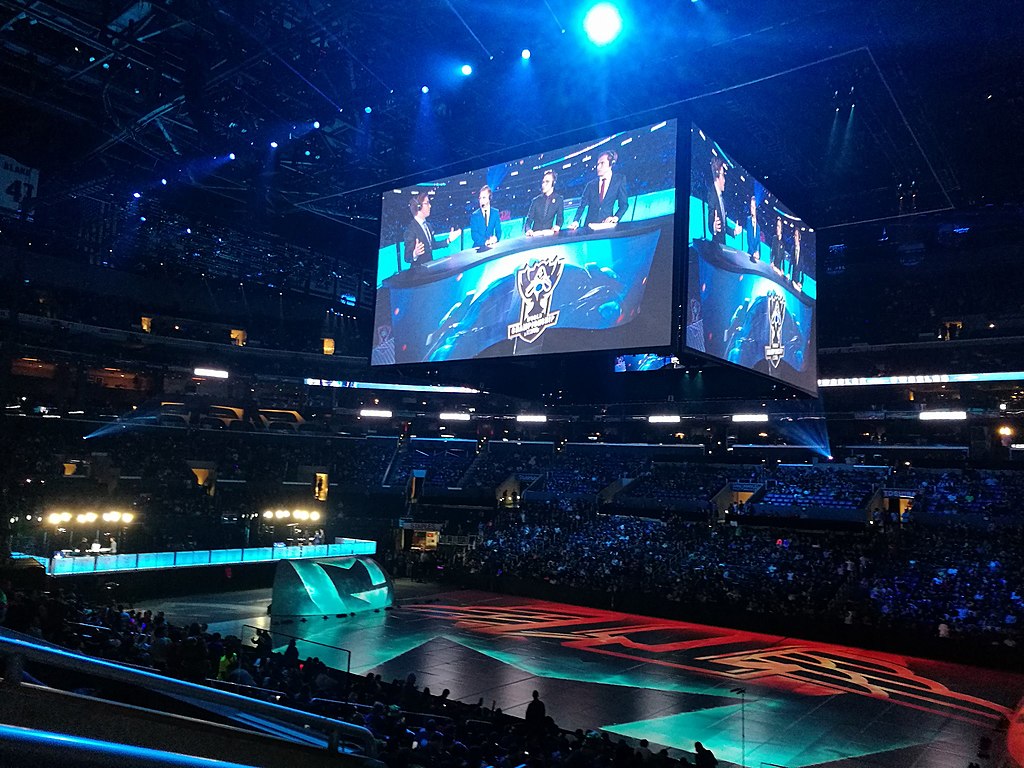
            Esports. This word has not been used commonly until 2010s. Though the origin of the word can be traced back into 1970s to 1980s, when some video game competitions, such as the Space Invaders Championship held by Atari in 1980, took place but such early forms of esports were not widely appreciated by people. Even nowadays, there is an argument whether we should take esports as real “sports.” To some people, esports is considered nothing more than immature video game contest. However, to others, it is indeed considered as a form of sports, which can be enjoyed by multiple people, and create a significant amount of profits by carrying it out. Apparently, as personal computers and mobile devices are widespread to more population of the world, esports has accessibility to all those people. As people are exposed more to gaming industry and making more contact to it, people’s interest toward esports grew. In 2013, I still remember how much I was surprised when I heard that there is going to be a world-wide competition for a computer game called the League of Legends would be taking place in the Staples Center, home to the famous Los Angeles Lakers of NBA, Los Angeles Kings of NHL and so on.  

https://upload.wikimedia.org/wikipedia/commons/thumb/c/c0/LOL2016WorldsFinalsArena.jpg/1024px-LOL2016WorldsFinalsArena.jpg
<Photo of Staples Center/ League of Legends World Championship 2013>

            My personal tie to the industry of esports dates back into early 2000s. As a child, I had suffered a syndrome called Nephrotic Syndrome, which hampered me from growing up like the other kids of my age. I spent a couple of years in ICU, and even after I was discharged, I had to be careful, try not to be exposed to environments that can give me any sort of sickness. Thus, unlike most of other kids of my age, I had to spend much of my time as a child at home. At first, watching TV was one of the options I enjoyed very much. I found a couple of channels designated for broadcasting competitions of Starcraft and Warcraft for 24-hours. Even though I knew about those games, for they have been big hits in South Korea at that time, I was not really a player of those games. However, as watching the games being played by the best players of South Korea (which later I figured out that meant they’re one of the very best of the world at that time), I found spectating video games could be very fascinating. Since then, I’ve been a big fan of esports and stayed tuned for Starcraft Leagues and League of Legends leagues.

https://upload.wikimedia.org/wikipedia/commons/5/5a/2009_BATOO_OSL_finals_venue.JPG
<Photo of OSL 2009 in Busan>

            Even though I am not quite tuned for them, the Overwatch leagues are recognized as one of the biggest esports nowadays. The league follows the model of other traditional North American professional sporting leagues by using a city-based teams, sponsored by separated ownership groups. The city of Atlanta, of course, is home for one of the professional Overwatch team, the Atlanta Reign.

Atlanta Reign

            As of 2019, there are two divisions of Pacific and Atlantic divisions, which consist of 20 teams, each based in a global city such as Atlanta, Toronto, and Seoul. The Overwatch league, which was founded in 2017, was so successful that ESPN reported the League achieved a lot more than its expectations and dragged big advertisers such as Toyota and T-Mobile. In 2019 season, which began on February 14th and is running through August 25th, the total prize estimates 5 million USD. The league has Coca-Cola and Bud Light as its sponsors for the season of 2019 and is being officially broadcasted to multiple countries of Europe, Americas, and Asia. The league’s commissioner, Nate Nanzer, was even nominated by the Fortune as one of their “40 under 40” in 2018, due to the enormous success of the Overwatch League.

            In 2018, esports was featured at 2018 Asian Games as a demonstration sport (in demonstration sport, won medals would not be counted in). The esports competition included widely known games such as Hearthstone, League of Legends, and Starcraft II. In 2022, it was announced that esports would be a formal medal event for 2022 Asian Games (yet the Olympic Council of Asia put this initial plan to hold until esports acquires a recognized status from the world—so it is uncertain that if esports would be recognized as medal-counted like formal “sports”). Even though its uncertain status as a formal member of sports, it is undeniable that esports industry is growing rapidly. Consider what we call esports was recognized as nothing more than a video game competition just a decade ago. Like the other digital-based creations, it is and will too grow up and spread exponentially. However, because there is no clear line that separate esports from video games (and because some are believing that esports are too “silly” as a formal sport), it seems like esports will need some more time to be recognized and accepted by people to be recognized as a member of sports.

<Image of OCA/ 2022 Asian Games>

            To me, watching esports is nothing different from watching a basketball game or a soccer match. But just as much as the other sports, a spectator would not very appreciate watching a game unless he knows how it works. The video-game-based esports may look silly to some of you and may be considered as for someone who is less-athletic. However, esports is suitable for more people as our lives are growing busier and more complicated, leaving us less and less time to spend being involved in “athletic” activities. I suggest the readers gently to at least give esports a try and see how it can really have impact on people’s lives.

“Our Game”

            What does sports mean to you? Does it have to be old and have a long history with people? What sets “mind-games” such as chess apart from more “classic” sports like baseball? The answers may vary. People have been very conservative and restrictive towards widening what are to be considered as a member of sports. However, I believe there would be change at some point, just as much as we are getting used to equality over race and sex. Esports really offered me, a sick boy who was incapable of physically hanging around with the world, a window to communicate with a bigger world, by watching and participating. What aspect of esports is less valuable than that of a “regular” sport? I do not have an answer for that.
Do you?

Shawn Ha’s First Blog Post

So far I have been trying to set up the basics for the blog. This is my first time setting up anything like this besides Facebook. Even though I watched Youtube clips that Dr. Allison provided us, I’m still quite not sure about what to do in order to make this blog page look better. I’m going to enhance the quality of the page as classes go on, I suppose. I want this page to be showing my progress throughout the Summer session about the topics I learn in class, so that I will be able to read out this blog from the beginning to the end at one point in the future and be able to remember what I learned at a certain time when a post was uploaded.

I chose this particular theme mainly because it looks very neat. I aim to design my personal page as neatly as possible, because I believe disorganized writings online does not attract any readers. I’m trying to make my page to resemble some of the successful pages, such as the New York Times and a Korean portal site called Naver.com. By the end of the semester, I would like to simplify my website so that everything can be seen at a glance. However, I am not familiar with WordPress yet; I am planning to spend some time to develop mastery. I would love to accept any suggestions to simplify my page and/or any inputs from others!